
Best Treatment for Parkinson’s Disease in India – Expert Neurologists & Advanced Care
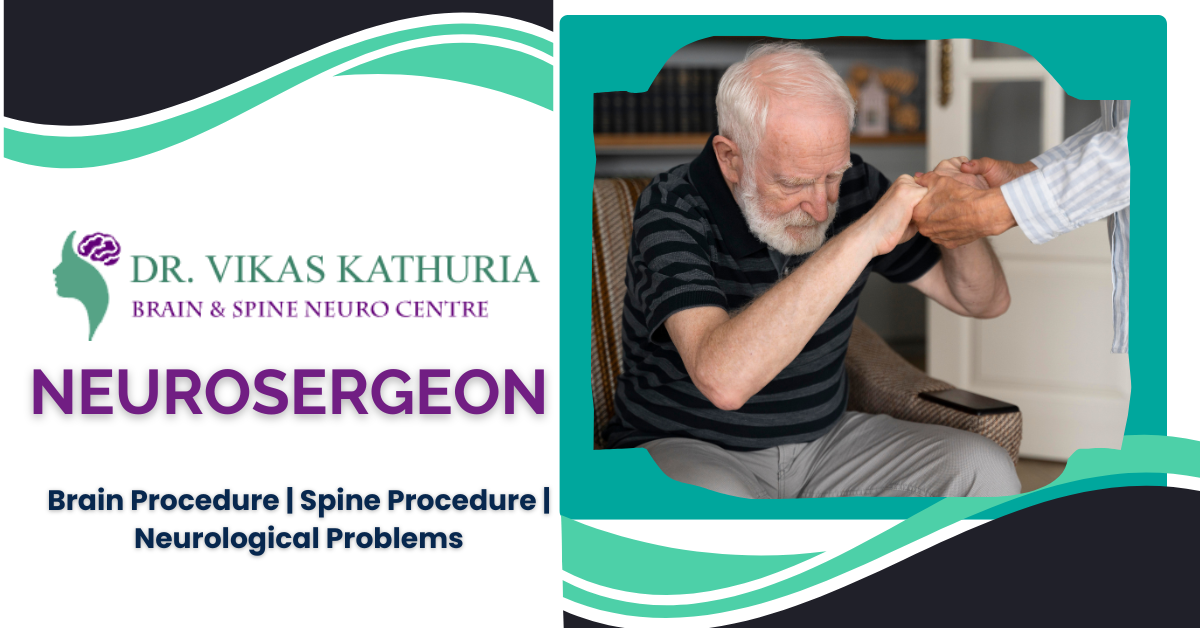
Parkinson’s disease is a chronic neurological condition that can slowly deteriorate the ability to move, maintain balance and coordination, and sometimes think and feel. Its diagnosis can overwhelm many Indian families. Now the most important thing to realise is that, while there is no cure for Parkinson’s disease, it can be very effectively treated under proper medical care.
When looking for the best treatment for parkinson’s disease in India, it is not merely about finding drugs and tablets alone, but rather a complete system of care, therapy, lifestyle support, regular check-ups, and advanced procedures whenever necessary. India has neurologists and equipped centres that can provide systematic care for patients.
Understanding Parkinson’s Disease Clearly
Parkinson’s is caused by the loss of some nerve cells in the brain that make dopamine. Dopamine is essential for smooth, balanced movement. In this condition, the body begins to show visible symptoms when it gets low.
Symptoms may be mild and occur on only one side of the body when they first appear. You might detect a small shake in one hand, slower steps, less arm swinging , and stiffness in your limbs. Over time, tremor and limb rigidity may become normal with balance (postural instability), softer voice, darting of the eyes or chin toward the shoulder and decreased arm swing when walking, poor handwriting that becomes smaller.
Parkinson’s disease increases slowly. It is different for everyone.
Early Diagnosis and Specialist Management Are Critical
Early warning signals are often ignored as they may also be considered a part of the aging process. But with early diagnosis, doctors can begin treatment before symptoms become serious. With careful management, patients can continue their occupation for many years.
It is also important to choose the right neurologist. A good practitioner reads signs that are more delicate and reaches conclusions about progression, not just outward symptoms. Dr Vikas Kathuria is known for thorough neurological assessment and long-term management. Early consultation results in more effective symptom control and a reduction of complications later on.
Frequent follow-ups allow to fine-tune medication dosages and focusing on new symptoms that may occur. Parkinson’s does not happen at one pace. It is ongoing.
Best treatment of Parkinson in India
The best Parkinson’s disease treatment in India is a combination of various medications, therapies, observation and lifestyle dos and don’ts. There is no one-size-fits-all treatment. The treatment is adoptable as per the age of the patient, severity of illness and response to drugs.
India provides advanced neurological care at an affordable price. Both non-operative and operative treatments are available under the experienced care of the patients.
The treatment goal is straightforward:
- Improve movement
- Reduce stiffness and tremors
- Maintain independence
- Improve quality of life
Medication: The Foundation of Treatment
Treatment of Parkinson’s disease continues to be primarily pharmaceutical. It also has the ability to create a healthy equilibrium in brain chemistry and minimize symptoms.
The most prescribed medication is Levodopa combined with Carbidopa. Levodopa turns into dopamine in the brain and helps control movement. Carbidopa prevents the breakdown of Levodopa and increases its effect. This is the most effective regimen to control tremors and rigidity.
Dopamine agonists act on dopamine receptors in the brain. Drug treatments to suppress the progression of Parkinson’s switch to other neurotransmitters’ tone until they are exhausted and become ineffective.
Medication doses are adjusted carefully. The body may react differently to medicine over time. Consistent oversight from a professional such as Dr. Vikas Kathuria also helps to keep treatment both efficient and proportionate.
The management of medication is an important part of the non-surgical treatment of parkinson’s disease, and usually works well for many years in most people.
Non-Surgical Treatment for Parkinson’s Disease
The majority of the patients do not need surgery, particularly in the early and moderate phases. There is a significant role in non-surgical therapy for maintaining the movements and independence.
Physical Therapy
More physical therapy improves posture, balance, flexibility and gait. Parkinson’s sufferers often stoop and take shorter steps. Supported exercises preserve muscle tone and coordination.
Exercise helps prevent stiffness and falling. By daily walking and exercising you can clearly see differences.
Occupational Therapy
Occupational therapy helps patients cope with activities of daily living. Parkinson’s can also sometimes make very small movements, such as buttoning your shirt or holding a spoon, difficult. Therapists work with kids on techniques to help avoid this being such a huge struggle, and therefore minimizing the frustration that comes along with it.
Such therapy also helps keep patients active and confident in everyday life.
Speech Therapy
Hypophonia and dysarthria are characteristic of Parkinson’s disease. Speech therapy improves voice clarity and control of breathing. It also helps to control the issues of swallowing which may occur at a later stage.
Advanced Treatment Options
Advanced therapy can be considered when medical treatment shows no efficacy or there are intolerable clinical symptoms.
Deep Brain Stimulation (DBS)
This is a surgery that’s done on special patients. It is done by inserting small electrodes into areas of the brain to interfere with abnormal signals that lead to tremors and stiffness.
DBS is not a cure for Parkinson’s disease, but it can provide substantial relief from symptoms and decrease the amount of medication patients require.
This surgery is not for everyone. You need to have a complete assessment before you make your decision. Experts such as Dr Vikas Kathuria evaluate medical history, pattern of symptoms and general health thoroughly before advising on advanced procedures.
Personalized Treatment Planning
Not all patients with Parkinson’s disease are impacted similarly. Some have more tremors, while others are mainly dealing with stiffness or balance. Individualized treatment means more effective care tailored to the patient.
The treatment options for the best parkinson’s disease treatment in India focuses on:
- Individual symptom management
- Medication balance
- Therapy support
- Emotional and family counselling
- Long-term monitoring
This whole body approach doesn’t just improve mobility it directly improves quality of life.
Emotional and Family Support
Parkinson’s disease wears on both patients and their families. Emotional pressures, anguish and frustration are widespread. Most of the support that fosters confidence also comes from family. Supporting the patient, assisting with doses of medication, and attending follow-ups together are very helpful.
Long-Term Outlook
A substantial number of patients remain able to work, travel, and perform normal activities for a prolonged period with organised treatment. The important thing here is constant treatment and professional monitoring.
India’s increasing capacity in the field of neurology means patients no longer need to travel overseas for successful outcomes. With expert guidance by doctors like Dr Vikas Kathuria, the patient can be guided at each stage of their progression.
FAQs
- What is included in non-surgical treatment for Parkinson’s disease?
It involves drugs; physical, occupational and speech therapy; as well as lifestyle adjustments.
- When is surgery considered?
Surgery such as Deep Brain Stimulation is an option if medications become less effective at controlling symptoms.
- Can exercise improve Parkinson’s symptoms?
Real fitness will make you more balanced and flexible, and stronger all over.
- How often should patients see their neurologist?
The follow-up interval is determined based on the severity of symptoms. Monitoring is necessary at regular intervals for modifying the treatments.