Understanding Back Pain & Spine Problems
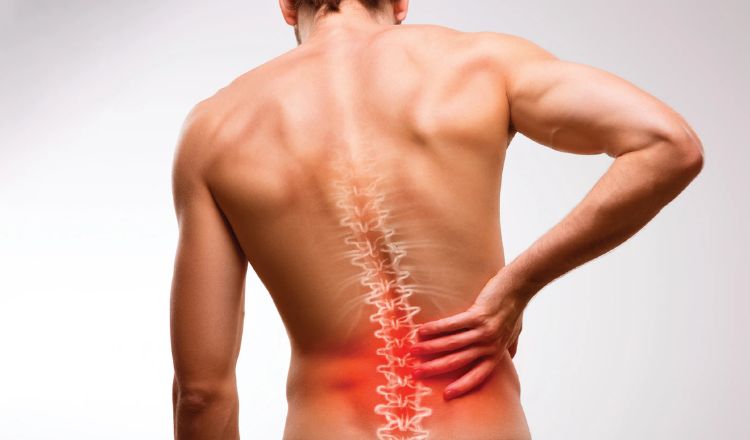
Back pain can occur due to multiple reasons including poor posture, prolonged sitting, obesity, injuries, aging, slipped discs, spinal stenosis, and nerve compression. While some cases improve with physiotherapy and lifestyle changes, others may require advanced medical care or surgical treatment.
Ignoring severe symptoms may lead to:
- Chronic pain
- Reduced mobility
- Nerve damage
- Muscle weakness
- Difficulty performing daily activities
Early diagnosis plays an important role in successful treatment and recovery.
In Which Cases Is Spine Surgery Needed?
Most patients recover with non-surgical treatments such as medications, physiotherapy, rehabilitation, and posture correction. However, surgery may be necessary in severe cases where spinal nerves or the spinal cord are significantly compressed.
Recommended If:
- Severe slipped disc
- Persistent sciatica pain
- Loss of bladder or bowel control
- Progressive weakness in legs
- Spinal fractures
- Severe spinal stenosis
- Tumors or infections affecting the spine
- Chronic pain not improving with conservative treatment
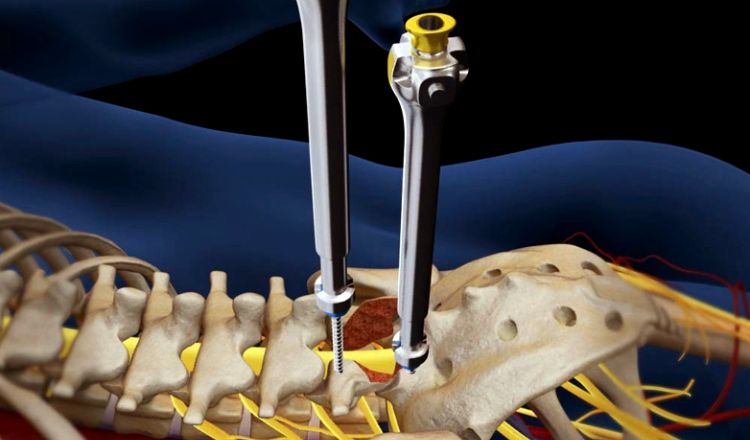
Modern minimally invasive spine surgery techniques help reduce pain, minimize hospital stay, and support faster recovery.
Non-Surgical Back Pain Treatment Options
Many back pain conditions can be treated successfully without surgery through a combination of medical management and rehabilitation therapies.
Treatments Include:
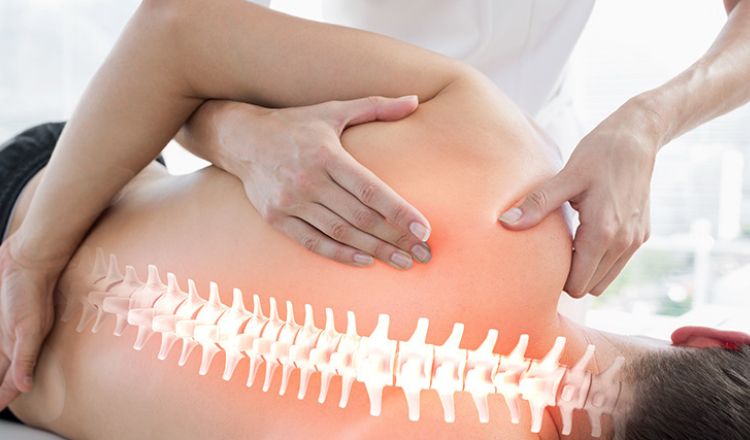
- Physiotherapy
- Pain management
- Exercise therapy
- Posture correction
- Lifestyle modifications
- Spine rehabilitation
- Epidural injections
Our specialists create personalized treatment plans based on the patient’s condition, symptoms, and lifestyle.