
Migraine Treatment in Gurgaon: Causes, Symptoms & When to See a Neurosurgeon
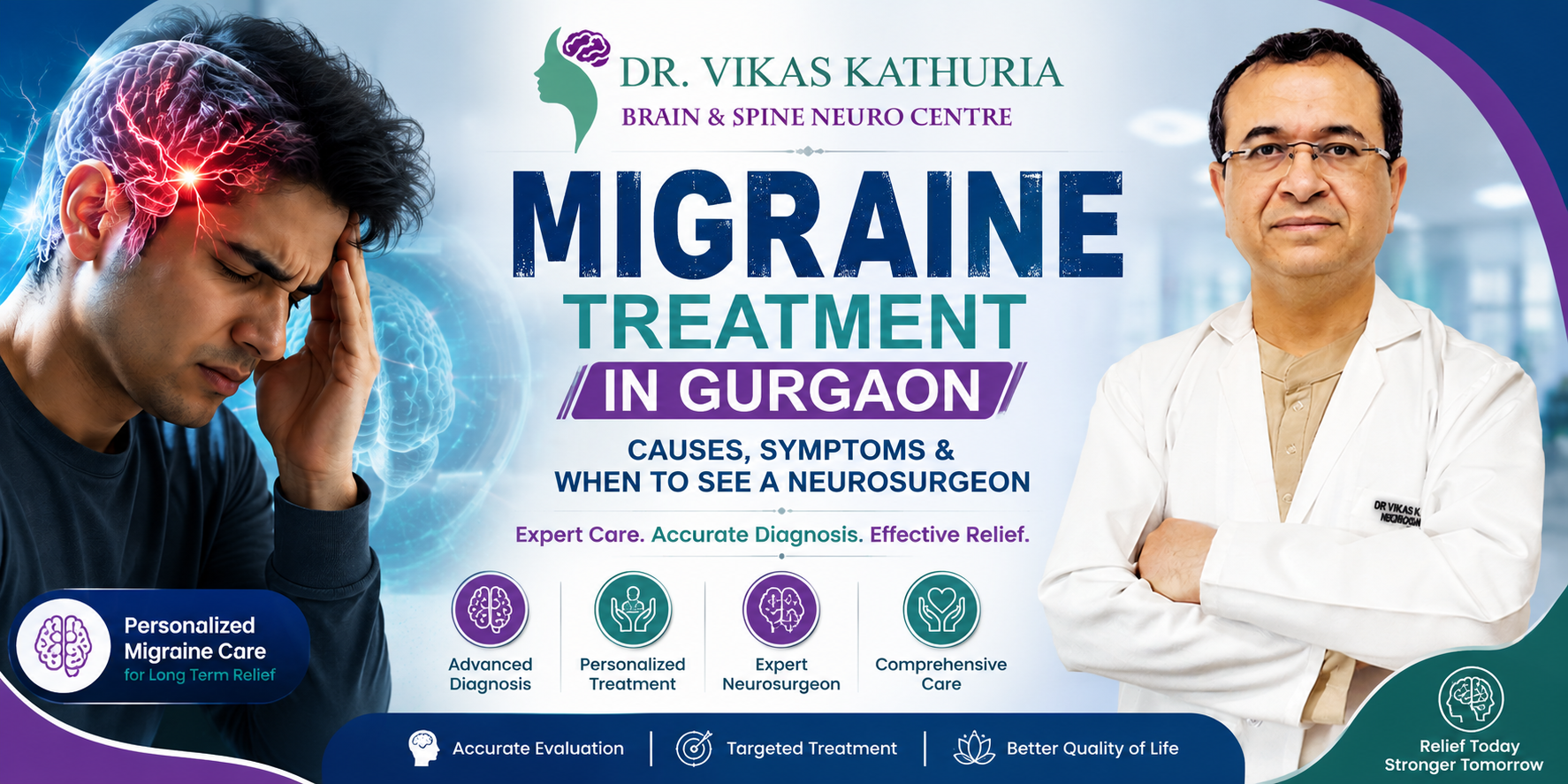

About Dr. Vikas Kathuria
Dr. Vikas Kathuria is an experienced Brain & Spine Neurosurgeon with expertise
in treating migraine, brain tumours, spine disorders, stroke and other complex
neurological conditions. He is known for accurate diagnosis, personalised
treatment plans and advanced neurosurgical care.
He consults patients at Kathuria Brain & Spine Neuro Centre,
DLF Phase IV, Gurugram, providing comprehensive neurological care with a
patient-first approach.
Do throbbing, one-sided headaches keep interrupting your work and family life? You are not alone. In fact, many working professionals across Delhi NCR now search for migraine treatment in Gurgaon, and for good reason. Long commutes, screen-heavy jobs, disturbed sleep and constant stress have made migraines far more common in this region than most people realise. This guide explains what a migraine actually is and what triggers it. It also covers the symptoms that separate migraine from an ordinary headache. Most importantly, it explains when you should consult a neurosurgeon instead of simply reaching for a painkiller.
Quick Navigation
- What Is a Migraine?
- Migraine vs. Ordinary Headache
- Common Causes & Triggers in Gurgaon & Delhi NCR
- Warning Symptoms of Migraine
- When Should You See a Neurosurgeon?
- How Migraine Is Diagnosed
- Migraine Treatment Options in Gurgaon
- Prevention Tips for Long-Term Relief
- Frequently Asked Questions
What Is a Migraine?
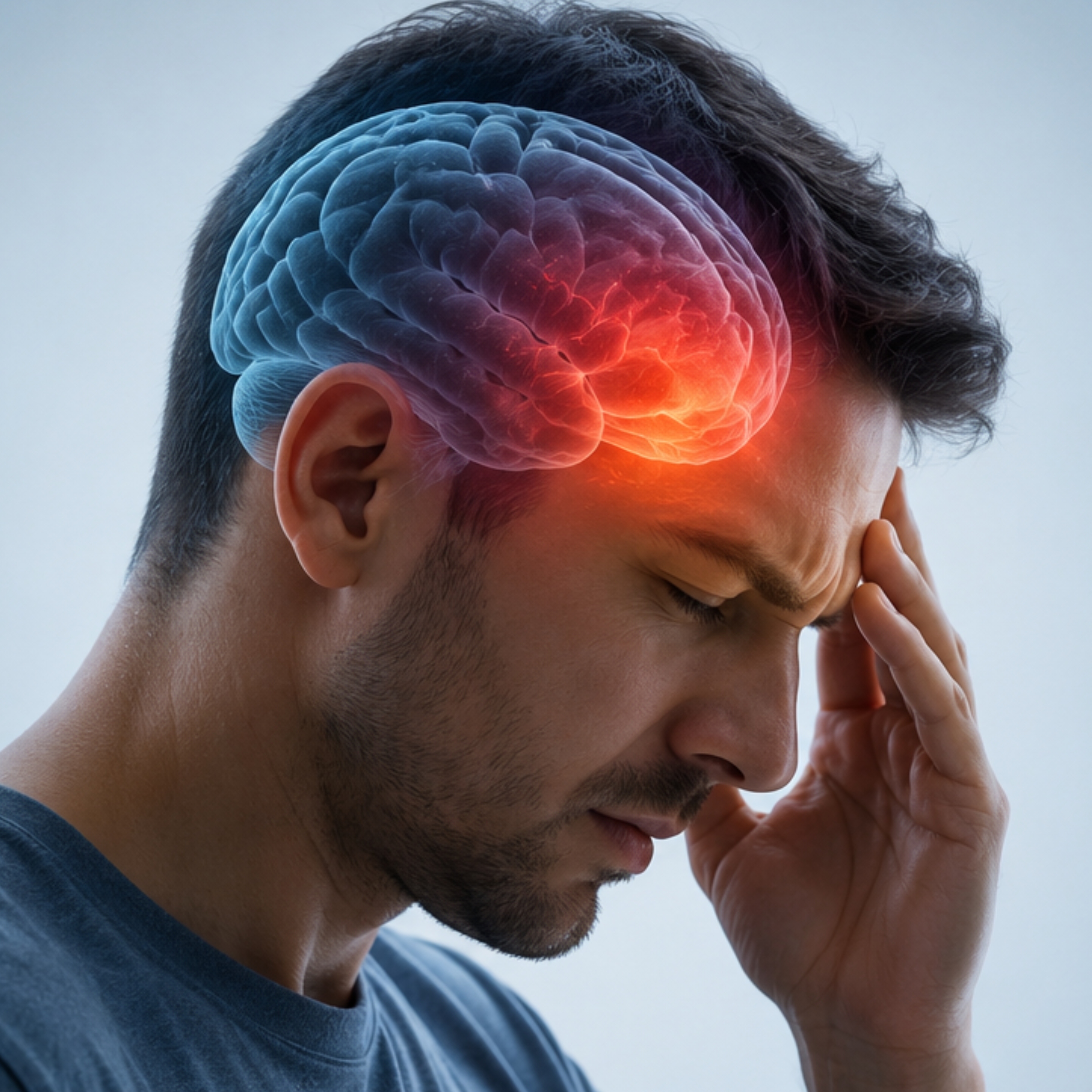
A migraine is a neurological condition, not just “a bad headache.” It typically causes moderate to severe, throbbing pain on one side of the head. If left untreated, it can last anywhere from a few hours to almost three days. Unlike a routine tension headache, a migraine often brings nausea, vomiting, and an intense sensitivity to light and sound. As a result, many patients withdraw into a dark, quiet room until the episode passes. Researchers believe migraine involves abnormal activity in brain chemicals and blood vessels. It also often runs in families, so genetics can play a meaningful role in who develops it.
Because migraines share some symptoms with more serious brain conditions, you first need to understand the difference between an ordinary headache and a migraine. Knowing which symptoms count as genuine red flags is therefore an essential first step before starting any migraine treatment in Gurgaon.
Migraine vs. Ordinary Headache: Key Differences
Patients frequently confuse tension headaches with migraines. Unfortunately, this confusion can delay the right treatment. So, the table below breaks down the differences a neurosurgeon looks for during evaluation.

| Feature | Ordinary Headache | Migraine |
|---|---|---|
| Pain Location | Both sides of the head, band-like pressure | Usually one-sided, throbbing or pulsating |
| Intensity | Mild to moderate | Moderate to severe, disabling |
| Duration | 30 minutes to a few hours | 4 hours to 72 hours |
| Associated Symptoms | Mild scalp tenderness | Nausea, vomiting, light/sound sensitivity, aura |
| Effect on Daily Activity | Usually manageable | Often forces rest in a dark room |
Types of Migraine
Not every migraine looks the same. Understanding which type you have can therefore shape the right treatment approach:
- Migraine with Aura: Visual or sensory disturbances such as flashing lights, blind spots, or tingling appear 20–60 minutes before the headache begins.
- Migraine without Aura: The most common type, where the throbbing headache begins without any preceding warning signs.
- Chronic Migraine: Headache occurring on 15 or more days a month, often requiring preventive treatment and closer neurological follow-up.
- Vestibular Migraine: Presents with dizziness, imbalance, or vertigo, sometimes with little to no headache at all.
- Menstrual Migraine: Linked to hormonal fluctuations and commonly seen in women around their menstrual cycle.
Common Causes & Triggers of Migraine in Gurgaon & Delhi NCR
Researchers are still studying the exact cause of migraine. However, certain triggers show up especially often among patients living and working in Gurgaon, Cyber City, DLF Phases, and other parts of Delhi NCR:
- Long screen hours — extended laptop and mobile use among IT and corporate professionals
- Traffic-related stress — daily commuting stress and irregular schedules
- Air quality and pollution — particularly during Delhi NCR’s high-pollution months
- Irregular sleep patterns — shift work, late nights and disturbed sleep cycles
- Skipping meals or dehydration — common among busy professionals
- Excess caffeine or its sudden withdrawal
- Hormonal changes, particularly in women
- Family history of migraine, indicating a genetic predisposition
Identifying your personal triggers is often the single most useful step before beginning formal migraine treatment in Gurgaon. In fact, many patients can reduce the frequency of attacks simply by managing two or three of the factors above.
Migraine can affect anyone. However, doctors see it most commonly in adults between 20 and 45 years of age. Women also receive a migraine diagnosis considerably more often than men, largely due to hormonal influences. At our clinic, we frequently evaluate corporate professionals from Gurgaon’s IT parks and business hubs, students preparing for competitive exams, and new parents managing disturbed sleep schedules.
Warning Symptoms of Migraine You Shouldn’t Ignore
Migraine symptoms usually develop in stages. Recognising them early can therefore help you seek appropriate care sooner:
- Throbbing or pulsating pain, typically on one side of the head
- Sensitivity to light, sound, or strong smells
- Nausea and vomiting
- Visual disturbances or “aura” — flashing lights, zigzag lines, or blind spots before the headache begins
- Neck stiffness and fatigue in the hours before an attack
- Mood changes, irritability, or food cravings a day before onset
When Should You See a Neurosurgeon for Migraine in Gurgaon?
Red-flag symptoms: Most migraines are manageable. However, certain warning signs require prompt evaluation by a neurosurgeon or neurologist rather than home remedies. Consult a specialist immediately if you experience the “worst headache of your life.” The same applies to a sudden, severe headache that peaks within seconds, or a headache with fever and neck stiffness. You should also seek help right away for a headache after a head injury, or a new headache after age 50. The same goes for a headache with weakness, confusion, slurred speech, or vision loss.
These red-flag symptoms don’t automatically mean something serious is happening. Still, they do call for a thorough neurological evaluation. This step rules out other underlying brain conditions before you continue with routine migraine management.
How Is Migraine Diagnosed?
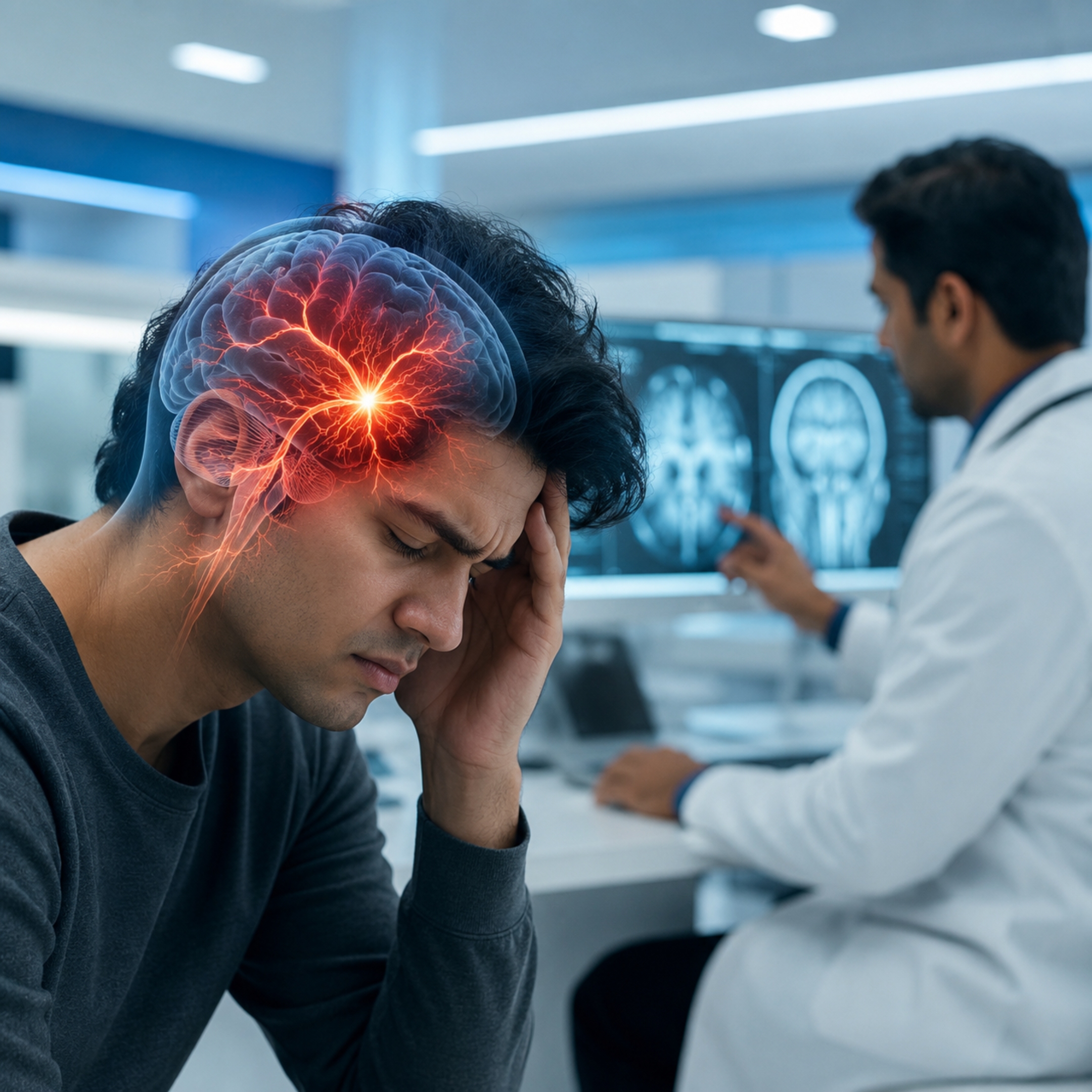
An accurate diagnosis is the foundation of effective migraine treatment in Gurgaon. During your consultation, the neurosurgeon will typically review your complete medical and family history. Next, they will ask about the pattern, frequency and triggers of your headaches, and then perform a detailed neurological examination. In select cases, particularly when red-flag symptoms are present, the neurosurgeon may also recommend imaging tests such as an MRI or CT scan. These scans help rule out other neurological causes and confirm that your headache pattern matches migraine rather than a secondary condition.
Before your appointment, try keeping a simple headache diary for two to three weeks. Note the time of day, duration, possible triggers, and any accompanying symptoms. This small step can significantly speed up diagnosis. It also helps the neurosurgeon design a more precise treatment plan from the very first visit.
Migraine Treatment Options Available in Gurgaon
Modern migraine treatment in Gurgaon is rarely a one-size-fits-all approach. Instead, the neurosurgeon personalises your plan based on the frequency, severity and specific triggers identified during evaluation. These plans generally fall into the following categories:
1. Acute (Pain-Relief) Treatment
Doctors use this during an active migraine attack. It reduces pain and associated symptoms as quickly and safely as possible, guided by the severity of the episode.
2. Preventive Medication
For patients with frequent or disabling migraines, the neurosurgeon may recommend preventive medication. Over time, this can reduce the frequency and intensity of future attacks.
3. Lifestyle & Trigger Management
Simple, consistent changes often make a measurable difference for patients in Gurgaon’s fast-paced work environment. These include regular sleep schedules, adequate hydration, timely meals, reduced screen exposure and stress management.
4. Advanced & Procedure-Based Options
For select patients with chronic, treatment-resistant migraines, the neurosurgeon may discuss advanced options such as nerve blocks or Botox-based therapy. First, though, a detailed evaluation confirms suitability.
Every treatment plan is unique to the patient. What works well for one person, therefore, may not suit another. This is exactly why a proper neurological evaluation always comes before treatment begins.

How Migraine Affects Work & Daily Life in Gurgaon
Gurgaon’s corporate culture involves long working hours, back-to-back meetings, late-night deadlines and constant screen exposure. Together, these factors create an environment where migraine can quietly erode productivity and quality of life. Many professionals in Cyber City, Sohna Road, and DLF Phases simply push through the pain. They take over-the-counter medication repeatedly instead of seeking a proper diagnosis. Over time, this pattern can lead to medication-overuse headache, where the very tablets meant to relieve pain end up triggering more frequent attacks. So, rather than normalising your symptoms as “just stress,” recognise migraine early. This choice protects both your health and your career.
Prevention Tips for Long-Term Migraine Relief
- Maintain a consistent sleep schedule, even on weekends
- Keep a migraine diary to track possible triggers
- Stay hydrated and avoid skipping meals
- Take regular screen breaks, especially during long work-from-home hours
- Limit caffeine intake and avoid sudden withdrawal
- Manage stress through light exercise, breathing techniques, or short walks
Why Choose Dr. Vikas Kathuria for Migraine Treatment in Gurgaon?
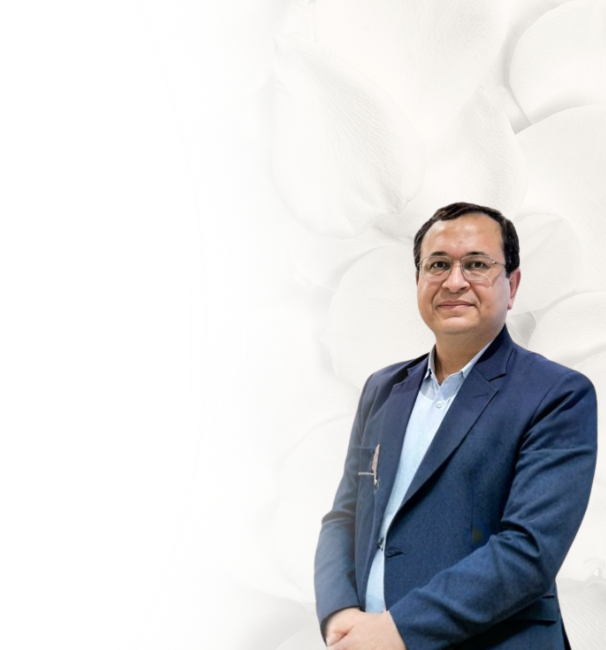
Dr. Vikas Kathuria — MBBS, MS, M.Ch (Neurosurgery)
Dr. Vikas Kathuria is a senior consultant neurosurgeon at Max Hospital, Gurgaon. He also leads Kathuria Brain & Spine Neuro Centre in DLF Phase IV. With more than 25 years of clinical experience, he has guided thousands of patients across Gurgaon and Delhi NCR toward accurate diagnosis. Along the way, he has built personalised treatment plans for migraine, headache and other neurological conditions.
15,000+ Patients Treated
3,000+ Successful Surgeries
Patients choose Dr. Kathuria for his clear communication and accurate diagnosis. More importantly, his treatment plans consider each patient’s lifestyle, work schedule and specific migraine triggers, rather than offering a generic prescription. For related conditions, you can also read more about our Headache Pain Treatment and Brain Tumor Treatment services.
Frequently Asked Questions About Migraine Treatment in Gurgaon
1. What is the fastest way to relieve a migraine attack?
Rest in a dark, quiet room, stay hydrated, and take medication as advised by your neurosurgeon. Doing this at the earliest sign of an attack usually offers the fastest relief. However, self-medicating repeatedly without a diagnosis is not recommended.
2. Can migraine be completely cured?
There is no permanent cure for migraine. However, with the right combination of medication, lifestyle changes and trigger management, most patients in Gurgaon achieve significant long-term control over frequency and severity.
3. Is migraine hereditary?
Yes. Migraines often run in families, and having a parent or sibling with migraine significantly increases the likelihood of developing the condition.
4. When should I worry that my headache is not a normal migraine?
Seek immediate evaluation if you experience a sudden, severe headache unlike any before, or a headache with fever and neck stiffness. The same applies to a headache following a head injury, or one with weakness, confusion, or vision loss.
5. Do I need an MRI for migraine diagnosis?
Not always. Doctors diagnose most migraines clinically, based on symptom history alone. However, they generally reserve imaging such as an MRI or CT scan for cases with red-flag symptoms or an atypical pattern.
6. How common is migraine among working professionals in Gurgaon?
Migraine and frequent headaches are increasingly common among IT and corporate professionals in Gurgaon and Delhi NCR. Long screen hours, irregular sleep and commuting-related stress largely drive this trend.
7. Can overusing painkillers make migraines worse?
Yes. Frequent use of over-the-counter painkillers without medical guidance can lead to medication-overuse headache, a condition where headaches actually become more frequent. A neurosurgeon can help design a safer, structured treatment plan.
8. Should I consult a neurosurgeon or a general physician first for migraine?
A general physician can manage mild, infrequent headaches. However, a neurosurgeon experienced in brain and nerve-related conditions should evaluate recurring, severe, or unusual migraine symptoms, especially when red-flag signs appear.
If you or a loved one are experiencing frequent, severe, or unusual headaches, timely evaluation can make a significant difference. Book a consultation with Dr. Vikas Kathuria at Kathuria Brain & Spine Neuro Centre, DLF Phase IV, Gurugram, serving patients across Gurgaon and Delhi NCR.
Disclaimer: This article is intended for general educational purposes only, regarding migraine and headache treatment in Gurgaon and Delhi NCR. It should not be considered a substitute for professional medical advice, diagnosis, or treatment. Always consult Dr. Vikas Kathuria or another qualified healthcare provider regarding any medical condition.
- Best Neurologist Gurgaon
- Best Neurosurgeon in Gurgaon
- Brain and Spine Neuro Centre
- Brain Specialist in Gurgaon
- Chronic Migraine Treatment
- Dr Vikas Kathuria
- Gurgaon Healthcare
- Headache Treatment Gurgaon
- Kathuria Brain and Spine Neuro Centre
- Migraine Specialist Gurgaon
- Migraine Treatment Gurgaon
- Migraine Triggers
- Neuro Health Advisory
- Neurosurgeon Delhi NCR
- Neurosurgeon DLF Phase 4
- Neurosurgeon Gurgaon
- Neurosurgeon Near Huda City Centre