Stroke in Young Adults: The Rising Risk Under 40 (Gurgaon & Delhi NCR Guide)
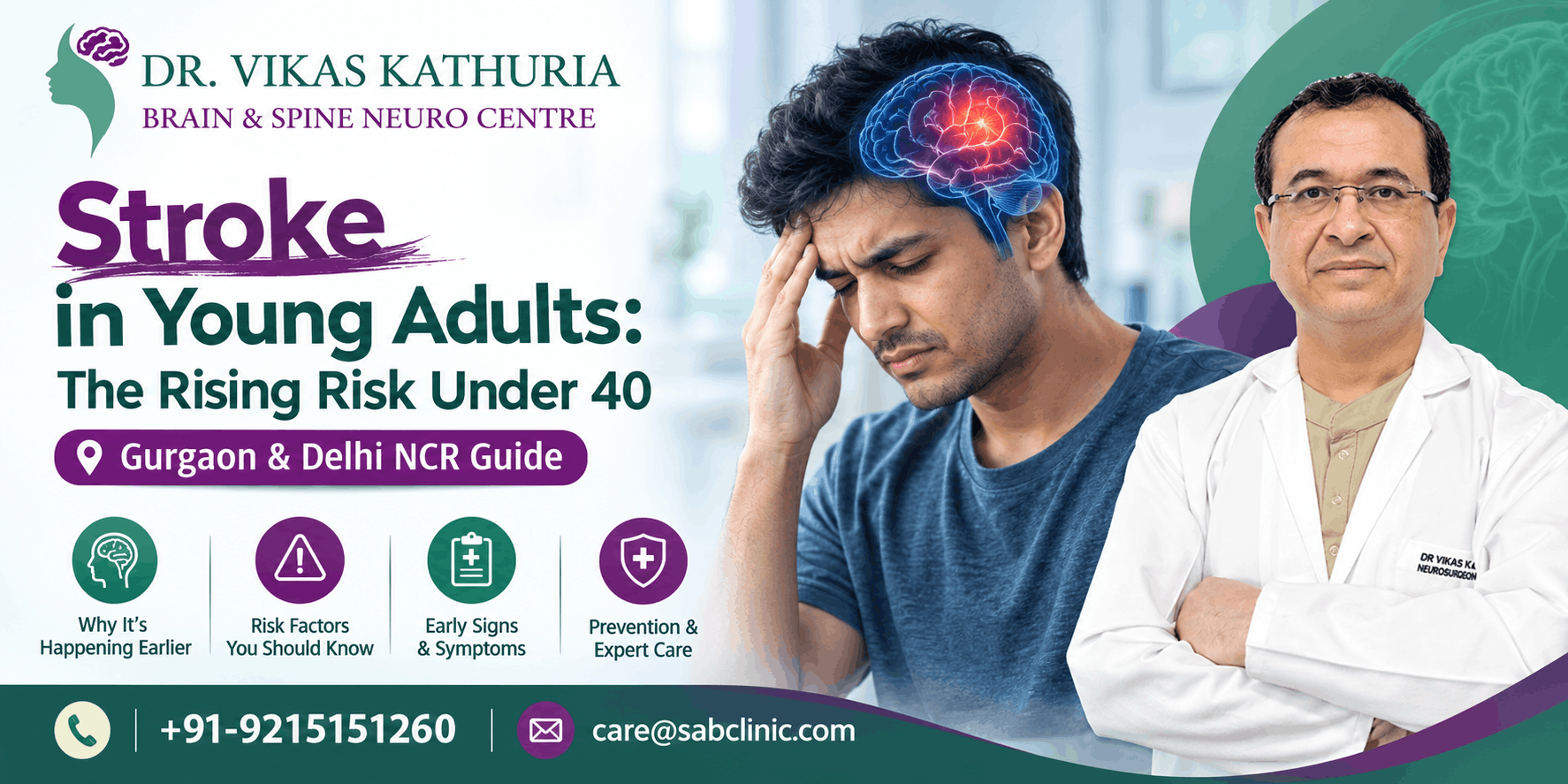
Stroke in young adults (under 40) is rising in Gurgaon and Delhi NCR because of high blood pressure, stress, smoking or vaping, poor sleep, diabetes and long desk hours. The key warning signs are a drooping face, arm weakness, slurred speech, sudden vision loss and loss of balance. A stroke is a medical emergency. Reach a stroke-ready hospital within minutes, not hours, because early stroke treatment protects the brain and improves recovery.
Ask most people to picture a stroke patient and they imagine someone in their 60s or 70s. That picture is outdated. Today, doctors across Gurgaon and Delhi NCR are treating software engineers, marketing managers, entrepreneurs and even fitness enthusiasts in their 20s, 30s and 40s for stroke. Research suggests that young adults make up roughly 10–30% of all stroke patients in India, compared with about 3–8.5% in Western countries.
The good news is that a young brain often recovers better, provided the stroke is recognised and treated quickly. This guide from the team at Kathuria Brain & Spine Neuro Centre explains why stroke in young adults is increasing, which warning signs you must never ignore, how stroke treatment for young adults in Gurgaon works, and what you can do to lower your risk starting today.
In This Guide
Why Is Stroke in Young Adults Rising in Gurgaon and Delhi NCR?
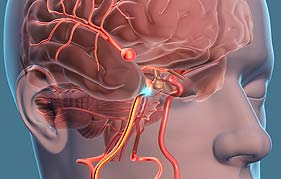
A stroke happens when blood supply to part of the brain is blocked or a blood vessel bursts. Brain cells begin to die within minutes, which is why every second counts. Stroke in young adults was once considered rare, but three shifts are changing that picture.
First, lifestyle-related risk factors now begin earlier. High blood pressure, diabetes, high cholesterol and obesity are being diagnosed in people in their 20s and 30s. Second, life in a corporate hub like Cyber City, Udyog Vihar, Sohna Road or Golf Course Road means long sitting hours, irregular meals, late nights, heavy commutes and constant deadline stress. Third, many young people never get a routine health check, so silent problems such as uncontrolled blood pressure, heart rhythm disorders or clotting abnormalities stay hidden until a stroke strikes.
Long-term exposure to polluted air, a real concern across Delhi NCR, has also been linked to a higher risk of stroke. Add smoking, vaping and heavy alcohol use, and the risk multiplies. For a broader medical overview, see the World Health Organization’s page on stroke.
Types of Stroke: Why the Type Decides the Treatment
Not every stroke in young adults is the same, and the correct treatment depends entirely on the type. This is also where a neurosurgeon’s input becomes important, especially when bleeding in the brain is involved.
| Type | What Happens | Common Causes Under 40 | Main Treatment |
|---|---|---|---|
| Ischemic stroke | A clot blocks an artery supplying the brain | Artery tear (dissection), heart conditions, clotting disorders, high BP | Clot-busting drug (tPA), mechanical thrombectomy, blood thinners |
| Hemorrhagic stroke | A blood vessel in or around the brain bursts | Uncontrolled BP, brain aneurysm, abnormal vessels (AVM) | BP control, aneurysm clipping or coiling, surgery to relieve pressure |
| TIA (mini-stroke) | Temporary blockage; symptoms fade within minutes or hours | Same as ischemic stroke | Urgent evaluation and prevention plan |
| Cerebral venous thrombosis | A clot blocks the veins that drain blood from the brain | Dehydration, hormonal factors, pregnancy, clotting disorders | Anticoagulants and close monitoring |
A TIA is never “nothing”. Treat it as a stroke that gave you a warning, and get evaluated the same day.
Causes and Risk Factors of Stroke Under 40
The causes of stroke in young adults are more varied than in older patients, which is why a careful work-up matters. An Indian study of young ischemic stroke patients (average age 36 years) found high blood pressure in about half of them, along with high cholesterol, previous TIA, family history and smoking. You can read the full findings in this study on ischemic stroke in young Indian adults.
High Blood Pressure
The most common risk factor. It is often silent, so many young adults do not know they have it.
Diabetes and Cholesterol
Both damage arteries quietly for years and are now common before the age of 35.
Smoking, Vaping and Alcohol
Nicotine narrows blood vessels and raises blood pressure, while heavy drinking adds to the risk.
Stress, Poor Sleep and Desk Jobs
Chronic stress, sleep loss and ten-hour sitting days push up blood pressure, weight and clotting risk.
Heart Conditions
Irregular heartbeat, valve disease or a small hole in the heart can send clots to the brain.
Artery Dissection
A tear in a neck artery, sometimes after injury or sudden neck strain, is a leading cause in the young.
Clotting and Hormonal Factors
Inherited clotting disorders, birth-control pills, pregnancy and the postpartum period can raise risk.
Aneurysm or AVM
Weak or abnormal brain vessels can rupture and cause a hemorrhagic stroke that may need surgery.
Migraine with aura, a family history of stroke and drug abuse also matter. If you get frequent headaches with visual disturbances, read our guide on migraine treatment in Gurgaon and discuss your stroke risk with a specialist. Bleeding strokes linked to weak vessels are explained on our brain aneurysm repair page.
Warning Signs of Stroke in Young Adults: Remember BE FAST
The warning signs of stroke in young adults are exactly the same as in older people. Doctors use the BE FAST check to spot them quickly. The American Stroke Association and the Mayo Clinic describe the same symptoms.
Balance
Sudden dizziness, loss of balance or trouble walking.
Eyes
Sudden blurred, double or lost vision in one or both eyes.
Face
One side of the face droops or the smile looks uneven.
Arm
Weakness or numbness in one arm or leg.
Speech
Slurred, confused or difficult-to-understand speech.
Time
Note the time symptoms began and get to a hospital immediately.
Young adults often explain these symptoms away as stress, migraine, low sugar or a bad night’s sleep. That delay is dangerous. A sudden, severe headache, especially with vomiting, neck stiffness or drowsiness, can signal bleeding in the brain and needs the same urgency. To understand how ordinary headaches differ, see our page on headache pain treatment.

Symptoms disappeared on their own? Still go.
A stroke that fades within minutes may be a TIA, and a full stroke can follow within days. Do not wait to “see how it goes”.
What to Do in the First Hour of a Stroke
- Note the time. Doctors need to know exactly when symptoms started to decide on treatment.
- Call 112 or ambulance 108. Do not drive yourself or wait for the family to gather.
- Choose a stroke-ready hospital. Go to the nearest hospital with CT/MRI and a 24×7 stroke team.
- Give nothing by mouth. No food, water or medicines, including aspirin, unless a doctor advises it.
- Keep the person comfortable. Lay them down, loosen tight clothing and stay with them.
- Carry reports. Bring the medicine list and any earlier scans or prescriptions.
How Stroke in Young Adults Is Diagnosed
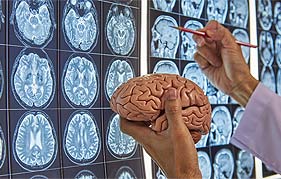
Diagnosis of stroke in young adults starts with a neurological examination and an urgent brain scan. A CT scan quickly shows whether the cause is a clot or a bleed, while an MRI gives finer detail. CT or MR angiography maps the brain and neck arteries to look for blockages, tears or aneurysms. Heart tests such as ECG and echocardiography, plus blood tests for sugar, cholesterol and clotting, complete the picture.
In young patients, finding why the stroke happened is as important as treating it, because a hidden cause can trigger a second stroke.
Stroke Treatment for Young Adults in Gurgaon
Ischemic stroke (blocked artery)
If the patient arrives within about 4.5 hours, a clot-dissolving medicine called tPA can be given through a vein to restore blood flow. For a large blocked vessel, doctors may remove the clot with a catheter (mechanical thrombectomy). Afterwards, blood thinners and strict control of blood pressure, sugar and cholesterol help prevent another stroke.
Hemorrhagic stroke (bleeding in the brain)
Here the priorities are controlling blood pressure, stopping the bleed and reducing pressure on the brain. Some patients need neurosurgery, such as aneurysm clipping or coiling, removal of a blood clot, or decompressive craniectomy for severe brain swelling. You can read more on our pages for brain hemorrhage treatment and brain stroke treatment in Gurgaon.
When Do You Need a Neurosurgeon for Stroke?
- A CT or MRI scan shows bleeding inside or around the brain.
- An aneurysm or AVM (abnormal vessel tangle) has been detected.
- There is severe brain swelling or rising pressure inside the skull.
- You want a second opinion on whether surgery is truly needed.
Dr. Vikas Kathuria, Senior Consultant Neurosurgeon at Max Hospital, Gurgaon, evaluates these cases and, at his clinic in DLF Phase IV, helps patients with scan review, second opinions, follow-up care and a long-term prevention plan. In an emergency, always go to the nearest stroke-ready hospital first.
Recovery and Rehabilitation After Stroke in Young Adults
After a stroke in young adults, the brain often adapts well, a quality called neuroplasticity. In one Indian study, about 60% of young stroke patients were functionally independent at 28 days, compared with 46% of older patients. Recovery still depends on the stroke type, its severity and how fast treatment began. A good rehabilitation plan usually includes:
- Physiotherapy to rebuild strength, balance and walking.
- Speech therapy for slurred speech or difficulty finding words.
- Occupational therapy to return to daily tasks and work.
- Emotional support, since anxiety and low mood are common after a stroke.
- Regular follow-ups to keep blood pressure, sugar and cholesterol in range.
Preventing Stroke in Young Adults: Checklist for Gurgaon Professionals
Your 8-Point Stroke Prevention Plan
- Check blood pressure, sugar and cholesterol at least once a year.
- Quit smoking and vaping completely and limit alcohol.
- Walk briskly for 30 minutes most days and stand up every hour. Our guide to desk job health in Gurgaon has simple routines.
- Sleep 7–8 hours and get persistent snoring checked.
- Reduce salt, fried food and processed snacks; eat more home-cooked vegetables and fruit.
- Manage stress with breathing exercises, hobbies and time offline.
- Discuss birth-control pills, family history or migraine with aura with your doctor.
- Never ignore a TIA or sudden neurological symptom.
Frequently Asked Questions About Stroke in Young Adults
1. Can a 25-year-old or 30-year-old really have a stroke?
Yes. Stroke can occur at any age, including the 20s and 30s. Causes range from high blood pressure and diabetes to artery tears, heart conditions and clotting disorders, so any sudden neurological symptom needs urgent evaluation.
2. What are the first signs of stroke in young adults?
The signs are the same as in older people: sudden facial drooping, arm or leg weakness, slurred speech, vision loss, dizziness or loss of balance, and a sudden severe headache. Use the BE FAST check and go to a hospital immediately, even if symptoms fade.
3. What is the most common cause of stroke under 40 in India?
High blood pressure is the most frequently reported risk factor in Indian studies, along with high cholesterol, previous TIA, family history and smoking. In many young patients, doctors also look for artery dissection, clotting disorders and heart problems.
4. Can young adults recover fully after a stroke?
Many do, because younger brains adapt well. Recovery depends on the stroke type, its severity and how quickly treatment started. Early rehabilitation and strict control of blood pressure, sugar and cholesterol improve outcomes and lower the risk of another stroke.
5. Should I see a neurologist or a neurosurgeon for stroke in Gurgaon?
In an emergency, go to a hospital with a 24×7 stroke team. A neurologist manages most ischemic strokes, while a neurosurgeon is needed for brain hemorrhage, aneurysm, AVM or brain swelling. Dr. Vikas Kathuria offers neurosurgical evaluation and follow-up for patients across Gurgaon and Delhi NCR.
6. Can stress alone cause a stroke?
Stress rarely acts alone, but it raises blood pressure, disturbs sleep and encourages smoking, overeating and inactivity, all of which increase stroke risk. Managing stress is therefore an important part of prevention.
7. How can I lower my risk of stroke under 40?
Check blood pressure, sugar and cholesterol every year, avoid tobacco and vaping, exercise most days, sleep well, cut down on salt and alcohol, and discuss family history or hormonal medicines with your doctor. Early screening catches silent risks.

Book a Consultation in Gurgaon
Worried about stroke symptoms or risk factors? Get expert stroke treatment in Gurgaon for young adults from across Delhi NCR. In an emergency, call 112 or go to the nearest hospital.
- Kathuria Brain & Spine Neuro Centre
- #7311, Ground Floor & LGF, Behind DLF Super Mart 2, DLF Phase IV, Near Huda City Centre Metro Station, Gurugram, Haryana 122009
- Phone: +91 83770 80260 / +91 92151 51260
- Mon–Sat: 10:30 AM–12:30 PM and 6:00–7:30 PM
- Sunday: 10:00 AM–2:00 PM
Disclaimer: This article is for general education and is not a substitute for professional medical advice. Stroke is an emergency; if you suspect one, call 112 or go to the nearest hospital immediately. For more brain and spine topics, visit our health blog.