
CSF Leak: The Rare but Serious Cause of Chronic Headaches (Gurgaon & Delhi NCR Guide)

A CSF leak headache in Gurgaon is easy to miss, because most people blame a long day at the desk, poor sleep or the traffic when a headache will not go away. Usually that is fair. But when a headache starts or worsens within minutes of sitting up or standing, and eases when you lie flat, doctors think of something different: a CSF leak. It is rare, it is often missed for months, and it is very treatable once found. This guide explains the symptoms, the tests, and the CSF leak treatment options available in Gurgaon and across Delhi NCR.
Quick Answer
A CSF (cerebrospinal fluid) leak happens when a tear or hole in the membrane around the brain or spinal cord lets the protective fluid escape. Pressure drops, and the classic result is a positional headache that is worse upright and better lying down. Small leaks may settle with rest, fluids and caffeine. Persistent leaks are treated with an epidural blood patch or, when needed, surgical repair. Early diagnosis by an experienced neurosurgeon lowers the risk of complications such as meningitis. If you suspect a CSF leak headache in Gurgaon, see a neurosurgeon early.
In This Guide
What Is a CSF Leak?
Cerebrospinal fluid is the clear liquid that surrounds your brain and spinal cord. It works like a cushion, protecting the brain from knocks and keeping it gently buoyant inside the skull. The fluid is held in by a tough membrane called the dura. When that membrane develops a tear or hole, fluid escapes faster than the body can replace it. That is a CSF leak.
Doctors describe two broad types, and the difference matters because the symptoms and the treatment are not the same:
Spinal CSF Leak
The tear is in the dura around the spinal cord. Fluid loss lowers pressure around the brain, causing the postural headache. This is the usual cause of what is called spontaneous intracranial hypotension.
Cranial CSF Leak
The tear is at the skull base. Clear fluid may drip from the nose (CSF rhinorrhoea) or the ear, and it often follows a head injury, sinus or brain surgery, or a skull base tumour.
Why a CSF Leak Causes Chronic Headache
When you lie down, the remaining fluid spreads evenly and the brain is supported. When you sit or stand, gravity pulls the brain slightly downward, and with less fluid to cushion it, the pain-sensitive membranes and nerves are stretched. That is why the headache is orthostatic: it builds soon after you go upright and improves once you lie flat again.
A published review defines this pattern as a headache that begins within about 15 minutes of being upright and eases within about 30 minutes of lying down. Spontaneous intracranial hypotension is uncommon, with one report estimating roughly four cases per 100,000 people, and possibly more because it is under-recognised. If the leak continues, the headache can become constant and lose its clear link to posture, which makes the diagnosis even harder.
Simple self-check
Note the headache for three days. Is it worst in the morning after you get out of bed, or by evening after hours upright? Does lying flat for 20 to 30 minutes bring real relief? If yes, tell your doctor exactly that. This one detail often points toward a CSF leak rather than migraine or tension headache.
CSF Leak Symptoms to Watch For
Headache is the main symptom, but a leak can announce itself in several ways. Not everyone has all of these:
- Headache that worsens when sitting or standing and improves lying down
- Nausea and vomiting
- Neck pain or stiffness, sometimes pain between the shoulder blades
- Sensitivity to light and sound
- Muffled hearing, a feeling of fullness in the ears, or ringing (tinnitus)
- Dizziness or balance problems
- A salty or metallic taste in the mouth
- Clear, watery drainage from the nose or one ear, especially after a head injury or surgery
Do not wait: see a doctor urgently if you notice
- Clear fluid dripping from the nose or ear after a head injury or surgery
- Fever with severe headache and a stiff neck, which can signal meningitis
- Sudden vision changes, hearing loss, confusion or seizures
- A headache that is rapidly getting worse or is the worst of your life
Causes and Risk Factors of a CSF Leak
A leak can be traced to an obvious event, or it can appear with no clear trigger. Common causes include:
- Head injury or skull fracture: the most common reason for a cranial leak, especially after road accidents.
- Brain or spine surgery: a small dural opening may not seal completely.
- Spinal procedures: a lumbar puncture, epidural or spinal anaesthesia can leave a hole in the dura.
- Tumours or infection: a skull base tumour, meningitis or encephalitis can weaken the barrier.
- Spontaneous leaks: a weak dura, a ruptured meningeal cyst, or a bony spur from a degenerated disc pressing through the membrane. Some spontaneous leaks also come from an abnormal connection between the spinal fluid space and a vein, called a CSF-venous fistula.
- Congenital skull or spine abnormalities present from birth.
Raised pressure inside the skull, obstructive sleep apnoea, previous meningitis and jobs or lifestyles with a higher risk of head trauma can all raise the chance of a leak. If you have a history of neck or back surgery, read about our cervical spine surgery and lumbar spine surgery care.
Why a CSF Leak Headache in Gurgaon Is So Often Missed
Many people with a CSF leak headache in Gurgaon and Delhi NCR see two or three doctors before anyone considers a leak. The reasons are simple. Symptoms vary from person to person, the brain MRI can look normal, and the headache is easily mistaken for something more common. Clinical reviews note that diagnosis is often delayed by variable symptoms and inconsistent imaging, including normal brain scans. You can read more in this review of spontaneous intracranial hypotension and epidural blood patching.
A CSF leak is commonly confused with:
- Migraine, because of nausea and light sensitivity
- Tension-type or cervicogenic headache from neck strain
- Sinus problems, when there is a runny nose
- Stress, anxiety or dehydration
The key clue is the posture link. If your headache pain changes clearly with sitting, standing and lying down, mention it at the very start of the consultation.
How a CSF Leak Is Diagnosed
For a suspected CSF leak headache in Gurgaon, the diagnosis combines your story, an examination and imaging. Depending on your symptoms, the neurosurgeon may recommend:
- Detailed history and neurological examination: including exactly how posture changes the headache.
- MRI of the brain with contrast: can show signs of low pressure such as thickened, enhancing membranes, though it may also be normal.
- MRI or CT of the spine: to look for a fluid collection, a cyst or a bony spur that may be the source.
- CT or MR myelography: contrast studies that help to pinpoint the exact level of the leak.
- Cisternogram: a scan that follows the fluid to find where it is escaping.
- Beta-2 transferrin test: a lab test on clear nasal or ear fluid to confirm that it really is CSF.
- Pledget study: cotton pads placed in the nose to collect discharge for testing.
Locating the leak is worth the effort. A targeted treatment aimed at the right level generally works better than a blind attempt, and it can reduce the number of repeat procedures.
CSF Leak Headache in Gurgaon: Treatment Options
Treatment follows a step-by-step approach, moving to the next level only if the previous one has not worked. The right choice depends on the type, size and site of your leak, and on how long you have had symptoms.
Step 1: Conservative care
For a mild or recent leak, doctors usually begin with bed rest, plenty of fluids, caffeine and pain relief. Some leaks close by themselves during this phase, and patients may improve within days to a couple of weeks. Do not stay in bed indefinitely without medical guidance, as your doctor will tell you when to escalate.
Step 2: Epidural blood patch
If symptoms continue, an epidural blood patch is the mainstay treatment. A small amount of your own blood is drawn and injected into the epidural space near the suspected leak under local anaesthesia. The blood forms a clot that seals the tear. Many patients feel relief within 24 to 48 hours, but some need a repeat patch. When the leak site is known, the patch can be placed with imaging guidance, which improves accuracy.
Step 3: Surgical repair
Surgery is reserved for persistent leaks, leaks that follow trauma or surgery, skull base leaks that drain through the nose or ear, and leaks caused by a bony spur or tumour. The surgeon locates the defect and closes it with stitches, a graft or a sealant. Skull base repairs are often done endoscopically through the nose, and spinal repairs increasingly use minimally invasive techniques. You can read about our approach to minimally invasive spine surgery for more details.
| Approach | Best suited for | What to expect |
|---|---|---|
| Conservative care | Mild, recent or post-procedure leaks | Rest, fluids, caffeine, pain relief; review within days |
| Epidural blood patch | Persistent spinal leaks and low-pressure headache | Day-care style procedure; relief often within 24 to 48 hours; may be repeated |
| Surgical repair | Skull base leaks, trauma or surgery related leaks, spurs, tumours | Defect located and sealed; recovery is planned individually |
Looking for CSF leak treatment in Gurgaon?
Read our detailed service page on CSF leak treatment in Gurgaon for the full list of causes, tests and procedures, or book a consultation to discuss your own scans and symptoms.
Recovery, Complications and Outlook
Recovery depends on the treatment. Conservative care can take a few days to a couple of weeks, a blood patch often brings quick relief, and after surgical repair patients usually need several weeks of careful recovery with gradual return to routine. Your surgeon will guide you on rest, lifting, straining and follow-up scans.
Left untreated, a CSF leak can lead to serious problems, including meningitis, persistent headache, and blood collections around the brain. After a blood patch, a few people develop a temporary rebound headache from raised pressure, which is another reason to stay in touch with your doctor. The outlook for a CSF leak headache in Gurgaon, as anywhere, is good when the leak is found early. Some people become completely symptom-free, while a few continue to have mild symptoms and need longer follow-up.
CSF Leak Headache in Gurgaon: Care with Dr. Vikas Kathuria
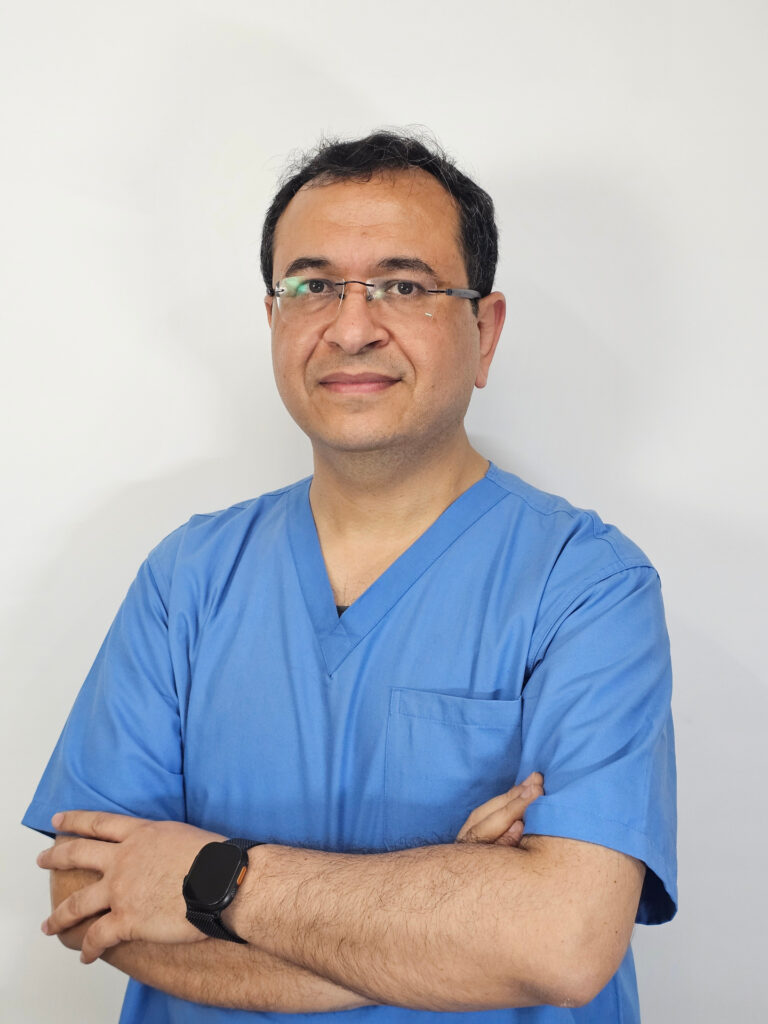
Dr. Vikas Kathuria (MBBS, MS, M.Ch Neurosurgery) has more than 25 years of experience in brain and spine conditions and consults at Kathuria Brain & Spine Neuro Centre in Gurugram. Patients from Golf Course Road, Cyber City, Sohna Road, Sushant Lok and DLF phases, as well as from Delhi, Noida, Faridabad and Dwarka, come to us when a headache has no clear explanation.
Our approach is simple: listen carefully, examine, arrange the right scans, explain the findings in plain language, and suggest the least invasive option that suits your condition.
If your headache is persistent, you may also want to read our related guides on stroke in young adults, neck pain treatment and slip disc treatment without surgery. If the leak followed an accident, see our pages on head injury treatment and brain hemorrhage treatment. When a skull base tumour is suspected, our brain tumor surgery page explains the next steps. You can also see patient feedback on Practo.
Clinic details
- Address: #7311, Ground Floor & LGF, Behind DLF Super Mart 2, DLF Phase IV, Near Huda City Centre Metro Station, Gurugram, Haryana 122009
- Timings: Monday to Saturday 10:30 AM to 12:30 PM and 6:00 PM to 7:30 PM; Sunday 10:00 AM to 2:00 PM
- Phone: +91 83770 80260 or +91 92151 51260
Frequently Asked Questions About CSF Leak
Can a CSF leak cause headaches that last for months?
Yes. A leak that is never identified can keep the pressure around the brain low for weeks or months, which is why some people are told they have chronic migraine or tension headache for a long time before the real cause is found.
What does a CSF leak headache feel like?
It is typically worse within minutes of sitting or standing and eases after lying flat. It is often felt at the back of the head or neck and may come with nausea, neck stiffness, muffled hearing, ringing in the ears or light sensitivity.
Can a CSF leak heal on its own?
Some small leaks do settle with bed rest, hydration, caffeine and pain relief. Leaks that do not improve, or that come with clear nasal or ear fluid, fever or vision and hearing changes, need a specialist evaluation.
How is a CSF leak diagnosed in Gurgaon?
Diagnosis starts with a neurological examination and history, followed by MRI of the brain and spine. CT or MRI myelography, a cisternogram or a beta-2 transferrin test on nasal or ear fluid may be added to locate or confirm the leak.
Is an epidural blood patch painful and does it work?
It is done under local anaesthesia, and most people feel pressure or mild back discomfort during the injection. It is widely considered the mainstay treatment when conservative care fails, although some patients need a repeat patch.
When is surgery needed for a CSF leak?
Surgery is considered when the leak is persistent, when it comes from the skull base and drains through the nose or ear, or when blood patches fail. The tear is then located and sealed, often with minimally invasive techniques.
Which doctor should I see for a CSF leak in Gurgaon or Delhi NCR?
A neurosurgeon experienced in brain and spine conditions is the right first specialist, and may work with a neurologist, radiologist or ENT surgeon depending on where the leak is. Dr. Vikas Kathuria consults at Kathuria Brain & Spine Neuro Centre, DLF Phase IV, Gurugram.
Headache That Changes With Posture? Get It Checked.
Do not wait for a persistent headache to become a complication. Early diagnosis of a CSF leak headache in Gurgaon can protect you from serious problems and bring lasting relief.
Disclaimer: This article is for general education and does not replace a consultation with a qualified doctor. Treatment depends on your scans, symptoms and medical history. If you have clear fluid leaking from the nose or ear, fever with a stiff neck, or a sudden severe headache, seek emergency care immediately.
- Best Neurosurgeon in Gurgaon
- beta-2 transferrin test
- brain and spine specialist Gurgaon
- brain surgery Gurgaon
- chronic headache causes
- cranial CSF leak
- CSF leak diagnosis
- CSF leak headache
- CSF leak headache in Gurgaon
- CSF leak surgery
- CSF leak symptoms
- CSF leak treatment Delhi NCR
- CSF leak treatment in Gurgaon
- CSF rhinorrhoea
- CT myelography
- DLF Phase 4 Gurgaon neurosurgeon
- Dr Vikas Kathuria
- epidural blood patch
- headache relieved by lying down
- Headache Specialist Gurgaon
- headache worse on standing
- low pressure headache
- neuro centre Gurgaon
- Neurosurgeon in Delhi NCR
- neurosurgeon in Gurgaon
- orthostatic headache
- persistent headache treatment
- positional headache
- spinal CSF leak
- spontaneous intracranial hypotension